
Running apparel blog
Practical articles for running brands, clubs and race directors: what to make, how print methods and fabrics compare, how to order club and race shirts, and how minimums and lead times work. Written by the FLYA Sport team in Dongguan, with links to the matching styles in our catalog.
Latest articles
From the factory floor and the start line
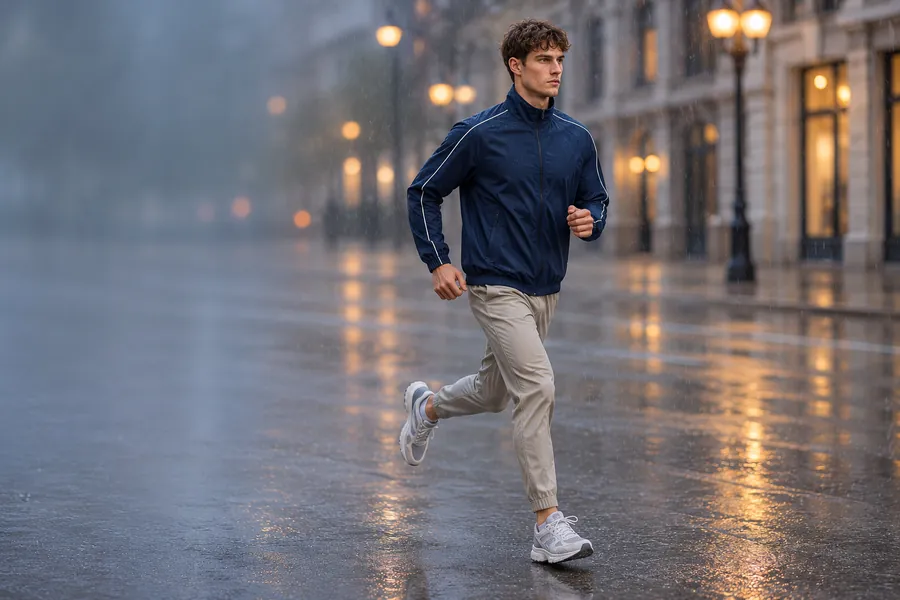
What to wear running: a temperature chart
Dress for a run as if it were 15–20 °F (about 10 °C) warmer than the thermometer says, because your body heats up within the first mile. Above 60 °F a singlet or tee with shorts is enough; at 40–50 °F add a long sleeve top; below…
Read article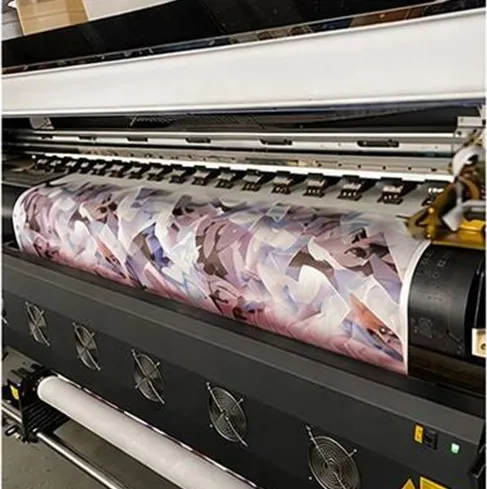
Sublimation vs screen printing vs DTF: which print for running shirts?
For running shirts sublimation is the default choice: the dye becomes part of the polyester fiber, so the print adds no weight, does not block sweat…
Read article
Why do running shorts have liners?
Running shorts have liners so you can run without underwear: the liner gives support, wicks sweat and removes the extra seams and waistband that…
Read article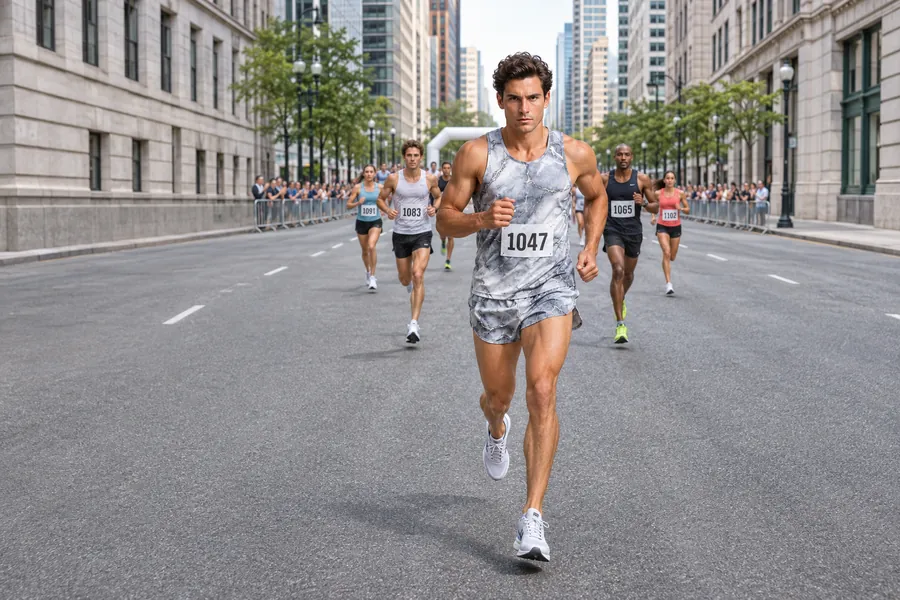
5K race shirt design ideas and an ordering checklist
A good 5K race shirt is one people run in again: a technical polyester tee with one strong front design that carries the race name, year and place,…
Read article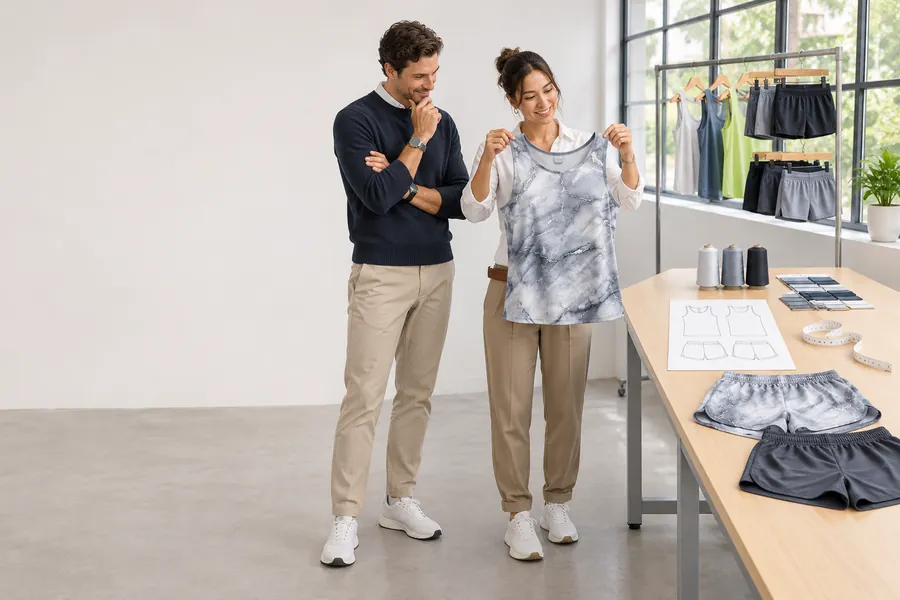
Low MOQ activewear manufacturing: why minimums exist and how to start small
Minimum order quantities exist because fabric is dyed in lots, patterns and trims are set up per style, and a sewing line loses time at every…
Read article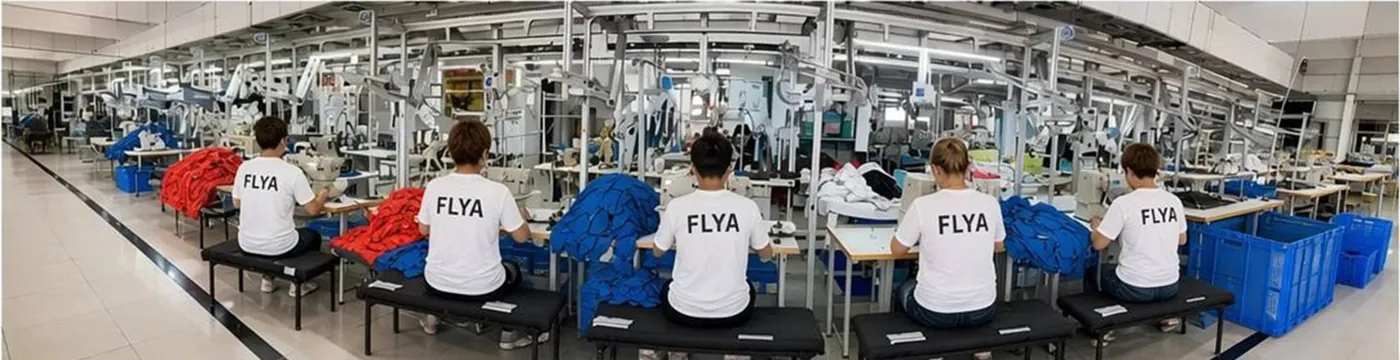
How to choose a running apparel manufacturer
Choose a running apparel manufacturer that matches your order size and timeline first: check the minimum order per style and color, how fast they…
Read article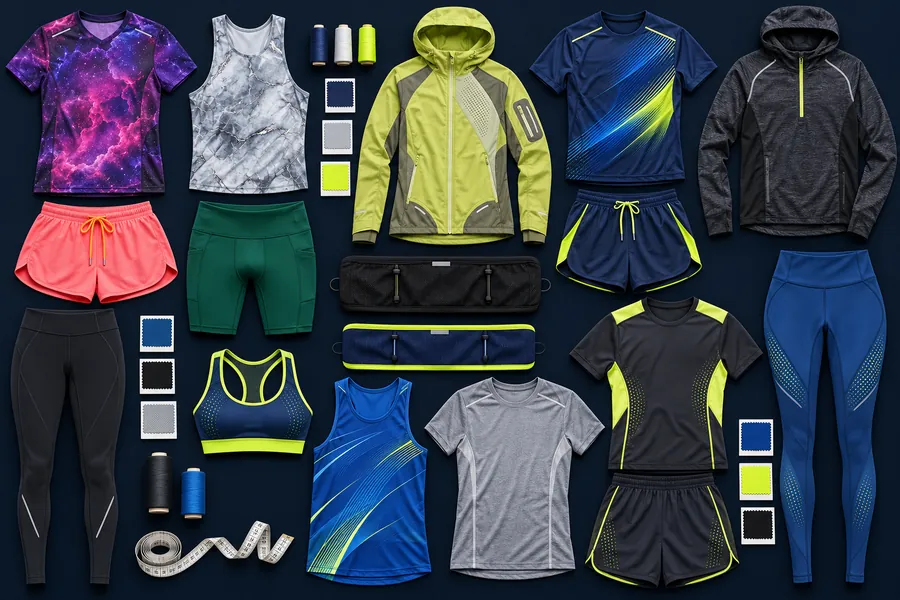
How to wash running clothes
Wash running clothes inside out in cold or warm water up to 30 °C (86 °F) on a gentle cycle, skip fabric softener, and hang them to dry or tumble dry…
Read article
Running apparel fabric guide
Most running apparel uses polyester or nylon, blended with spandex where stretch is needed. Polyester dries fast and takes sublimation; nylon feels…
Read article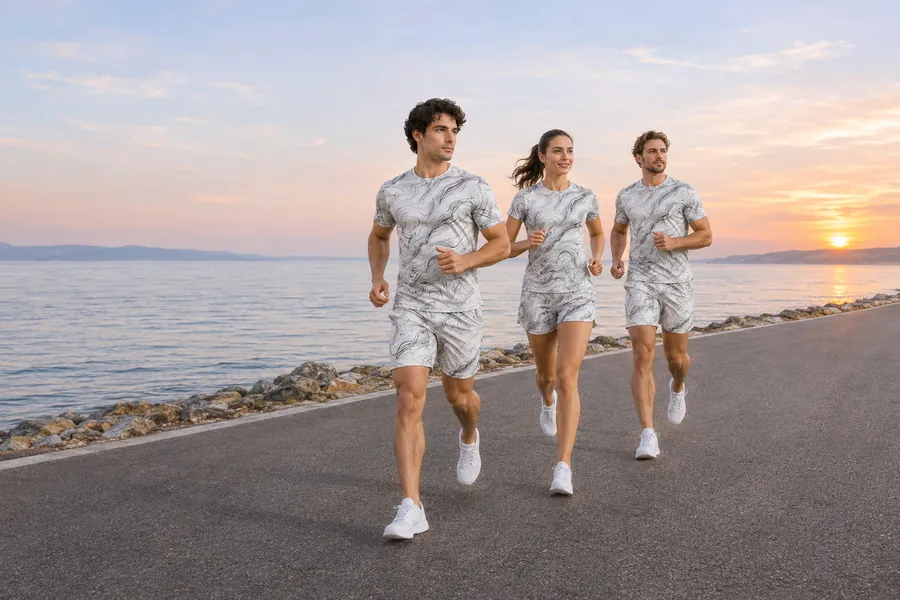
Types of running shorts
Running shorts come in four main types: split shorts (short 2–3 inch inseam with side splits and a brief liner, for racing), 2-in-1 shorts (a woven…
Read article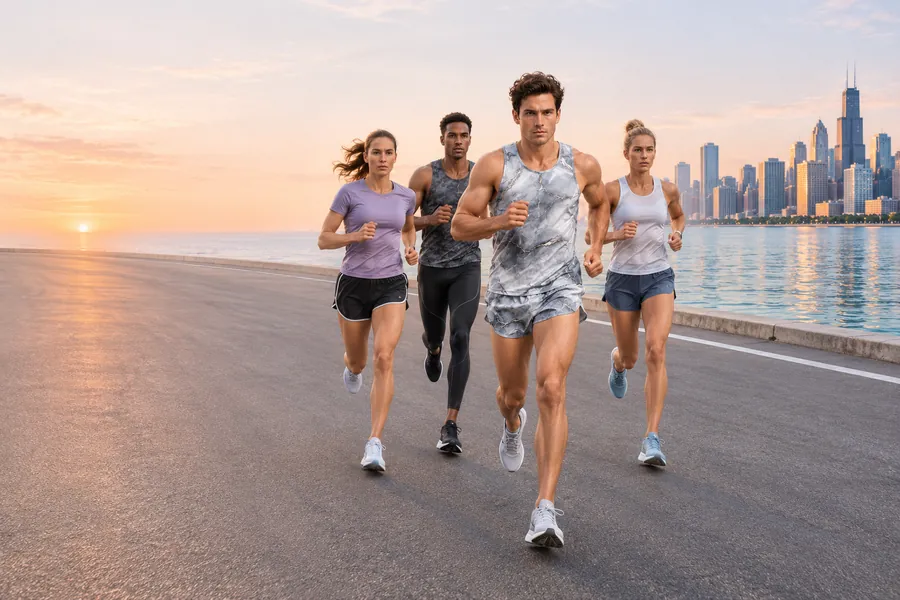
2-in-1 vs split running shorts
Split shorts are minimal racing shorts with a 2–3 inch inseam, side splits and a brief liner. 2-in-1 shorts put a woven shell over a compression…
Read article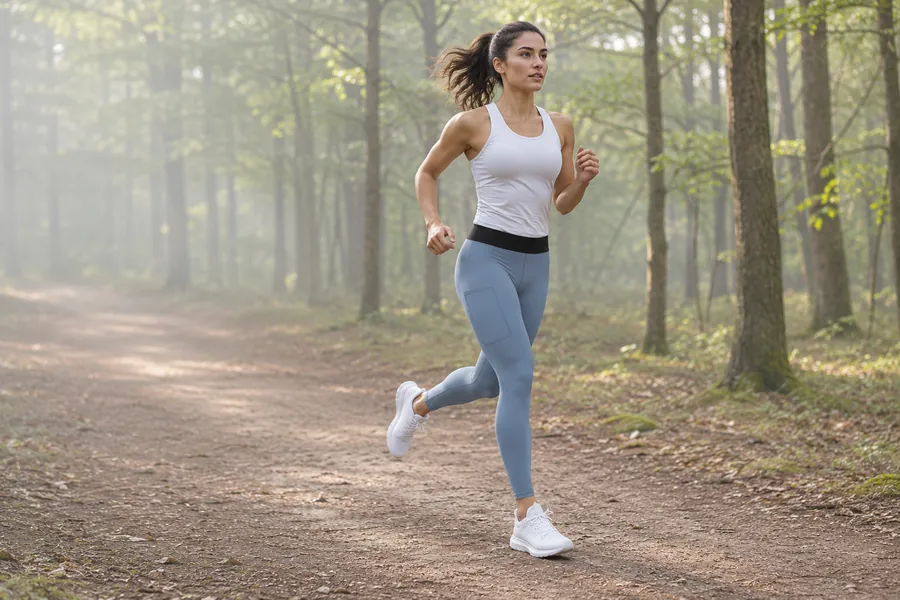
Half tights vs running leggings
Half tights are compression shorts that stop above the knee (usually 5, 7 or 9 inch); running leggings are full-length tights. Both use stretch…
Read article
Running singlet vs tank top
A running singlet is a sleeveless top cut for racing: lightweight mesh (often 80–120 GSM), deep armholes and a racer or straight back so the arms…
Read articleServices
Ordering & customization
Which customization path fits your order.
Labels, hangtags, packaging and barcodes.
Which logo method suits which garment.
Documents, duty and sizing for US imports.
Our facility in Dongguan and how we check quality.
Request a quote
Tell us what you want to make
Send a tech pack, a sketch or just a reference photo and your logo. We reply with options, MOQ and pricing within one working day.
- Quote in 1 working dayOptions, MOQ and pricing for your styles. Low-MOQ: tell us the style, colors and quantity per color. OEM/ODM: attach your tech pack or reference images.
- SampleLow-MOQ customized sample in 3 working days · OEM/ODM first sample in 7 working days.
- Bulk productionLow-MOQ bulk in 7 working days · OEM/ODM bulk in 15 working days after sample approval.
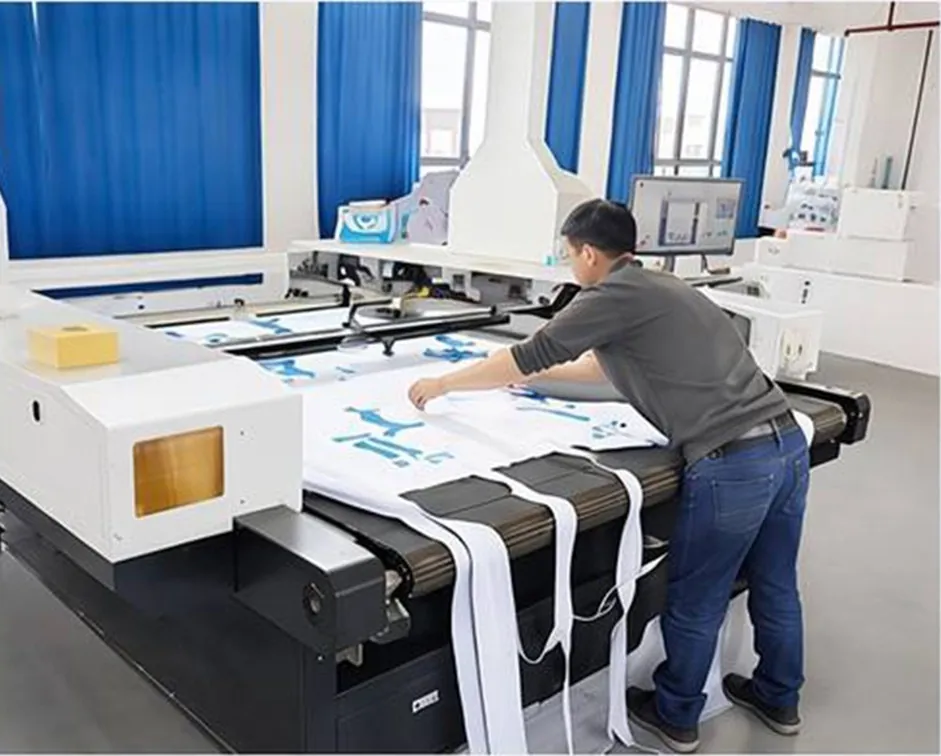
15 production lines · 99 machines · 6,000+ pcs daily output
- 12-month quality warranty
- NDA available
- Your files stay private