 Featured
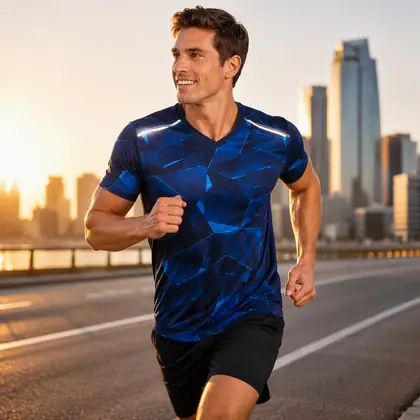
Wash running clothes inside out in cold or warm water up to 30 °C (86 °F) on a gentle cycle, skip fabric softener, and hang them to dry or tumble dry on low. Heat and softener are what break down spandex, dull sublimated colors and crack printed logos. For your own brand, print these instructions on the care label together with the fiber content and country of origin.
At a glance
| Do | Avoid | Why |
|---|---|---|
| Wash inside out, cold or 30 °C | Hot washes above 40 °C | Heat weakens spandex and fades prints |
| Use a little sports or mild detergent | Fabric softener and dryer sheets | Softener coats the fibers and traps odor, reducing wicking |
| Hang dry or tumble dry low | High-heat drying, radiators | Heat shrinks liners and cracks heat-transfer logos |
| Wash soon after the run | Leaving sweaty kit in a bag | Bacteria build up and odor sets in |
| Close zips and Velcro | Washing with towels or jeans | Abrasion pills knit fabric and snags mesh |
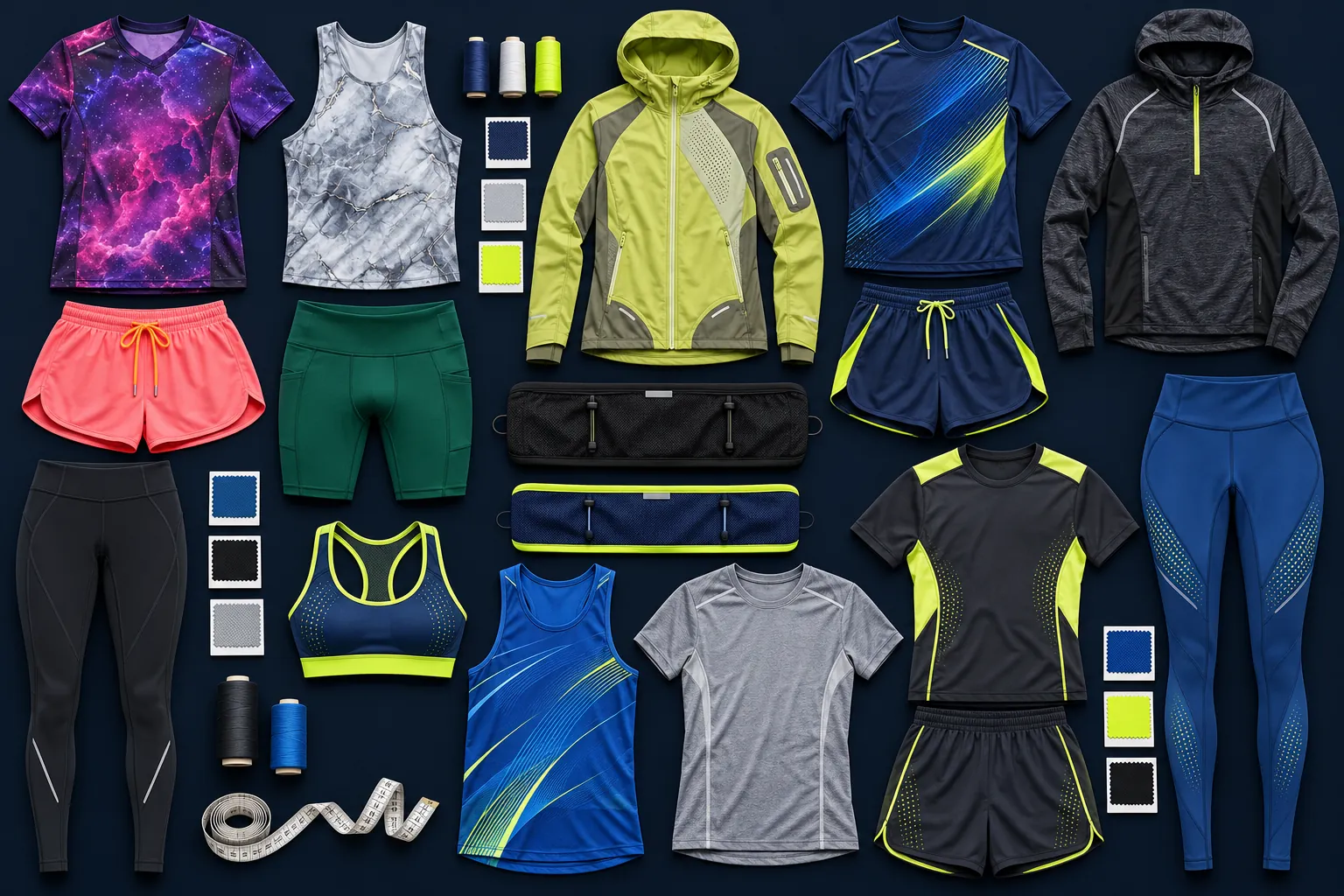
Most running apparel is polyester or nylon with 10–20% spandex. These synthetics wick sweat because their fibers stay open; fabric softener and high heat close that surface and break down spandex, so shorts lose recovery and liners go baggy. Sublimated colors are dyed into polyester and survive washing well, but printed and heat-transfer logos crack when they are ironed or dried hot.
Odor comes from bacteria living in the sweat that stays in synthetic fibers. Wash after every run, do not leave kit damp in a bag, and add a cup of white vinegar to the rinse every few washes if a garment keeps smelling. Fabrics with an anti-odor finish help, and we can source them for your line on request.
2-in-1 shorts, half tights and sports bras rely on elastic and compression. Wash them in a laundry bag, never wring them, and dry them flat or hanging. Silicone leg grippers and bonded hems last longest when they are never tumble dried on high heat.
If you sell in the United States, textile labeling rules expect the fiber content, the country of origin and the identity of the seller on the label, and the FTC Care Labeling Rule expects care instructions. A typical running tee label reads: '88% polyester / 12% spandex · Made in China · Machine wash cold, inside out · Do not use fabric softener · Tumble dry low · Do not iron print.' We print woven or heat-transfer care labels with your brand and the care symbols you choose.
Keep reading
For running shirts sublimation is the default choice: the dye becomes part of the polyester fiber, so the print adds no weight, does not block sweat…
Read article
Most running apparel uses polyester or nylon, blended with spandex where stretch is needed. Polyester dries fast and takes sublimation; nylon feels…
Read article
Dress for a run as if it were 15–20 °F (about 10 °C) warmer than the thermometer says, because your body heats up within the first mile. Above 60 °F…
Read articleFAQ
Inside out, in cold or warm water up to 30 °C, on a gentle cycle with a little detergent and no fabric softener. Hang dry or tumble dry on low.
Yes, on low heat. High heat shrinks liners, weakens spandex and can crack printed or heat-transfer logos.
Sweat bacteria stay in synthetic fibers, and fabric softener traps them. Wash soon after each run, skip softener and add white vinegar to the rinse occasionally.
Fiber content, country of origin and the seller's identity under US textile labeling rules, plus care instructions under the FTC Care Labeling Rule. We can print care labels to your wording.
Request a quote
Send a tech pack, a sketch or just a reference photo and your logo. We reply with options, MOQ and pricing within one working day.
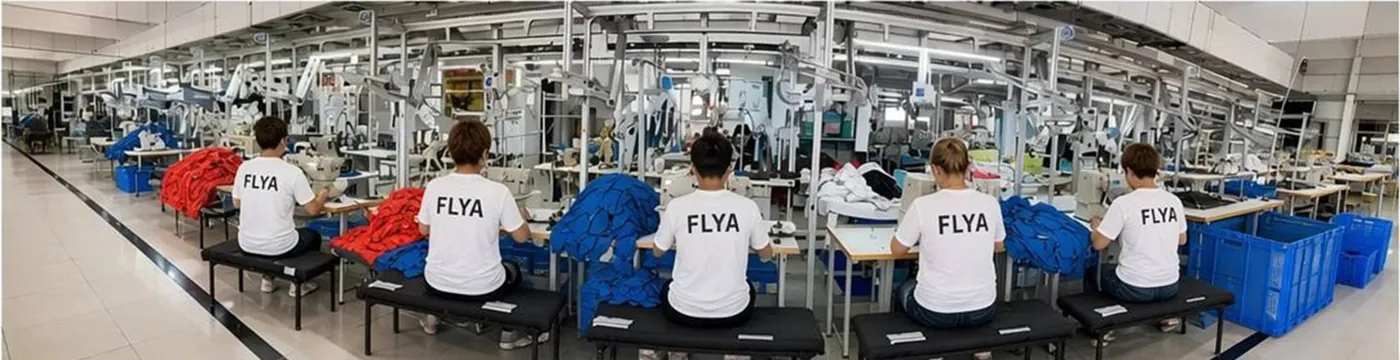
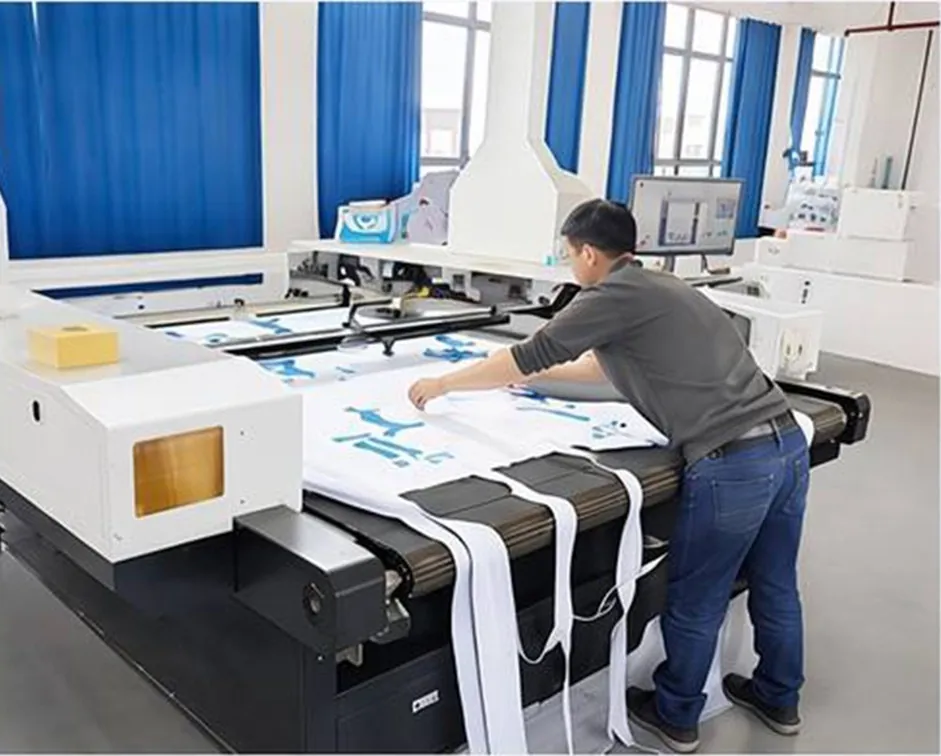
15 production lines · 99 machines · 6,000+ pcs daily output