 Featured
Most running apparel uses polyester or nylon, blended with spandex where stretch is needed. Polyester dries fast and takes sublimation; nylon feels softer and is more abrasion-resistant. Weight is measured in GSM (grams per square meter): race singlets sit around 80–120 GSM, tees around 110–160 GSM and compression tights around 220–240 GSM.
At a glance
| Garment | Recommended starting point | Why |
|---|---|---|
| Race singlet | Polyester mesh, 80–100 GSM | Lightest, most breathable |
| Running tee | Polyester or recycled polyester knit, 110–160 GSM | Quick-dry, prints well |
| Shorts shell | Polyester or nylon/spandex woven, 80–100 GSM | Light, wind-resistant, stretch |
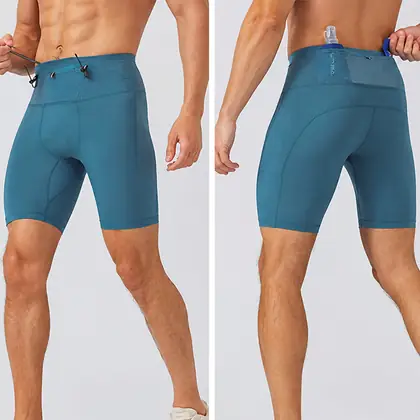
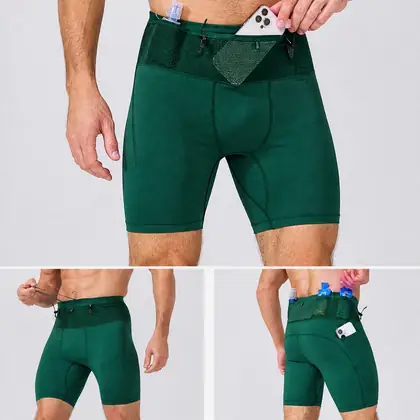
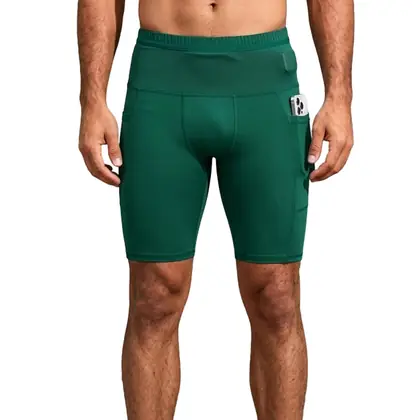
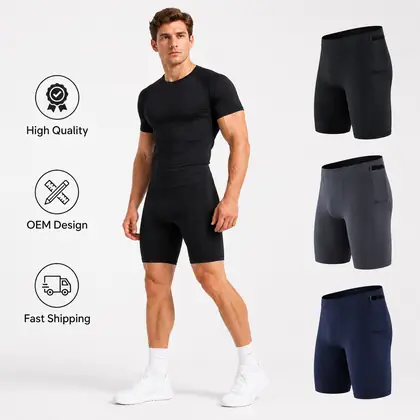
| 2-in-1 liner / half tights | Nylon/spandex or polyester/spandex, 180–240 GSM | Compression and opacity |
| Long sleeve / winter | Brushed polyester/spandex, 180–220 GSM | Warmth while wicking |
| Jacket | Ripstop or stretch woven, 40–140 GSM, water-repellent finish | Wind and light rain |
Polyester is the default for running tops: it dries quickly, holds color and is the only fiber that takes sublimation printing. Nylon feels smoother and is stronger against abrasion, so it is common in premium tights and shorts. Recycled polyester behaves like virgin polyester and suits sustainability-led brands.
Spandex (elastane) adds stretch and recovery. Tees and shorts shells use a small amount or none; compression liners, half tights and leggings typically use a higher share for a supportive fit. We confirm the blend on your sample.
GSM is the fabric weight in grams per square meter. Lower GSM is lighter and cooler; higher GSM is more opaque, durable and supportive. The ranges in the table are starting points; we source to your target hand-feel and price.
Mesh panels or laser-cut perforations open airflow where runners overheat: the back, underarms and sides. They are usually combined with a solid knit for the front so logos print cleanly.
Keep reading
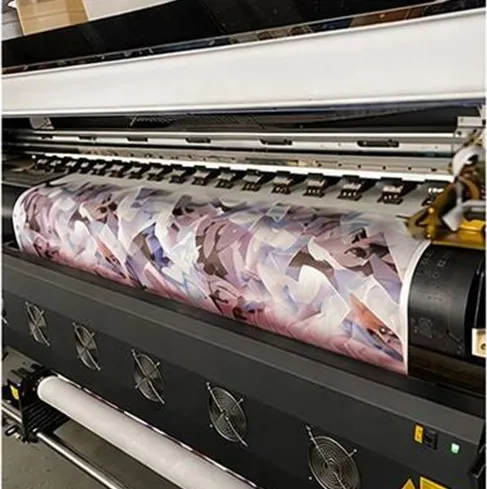
For running shirts sublimation is the default choice: the dye becomes part of the polyester fiber, so the print adds no weight, does not block sweat…
Read article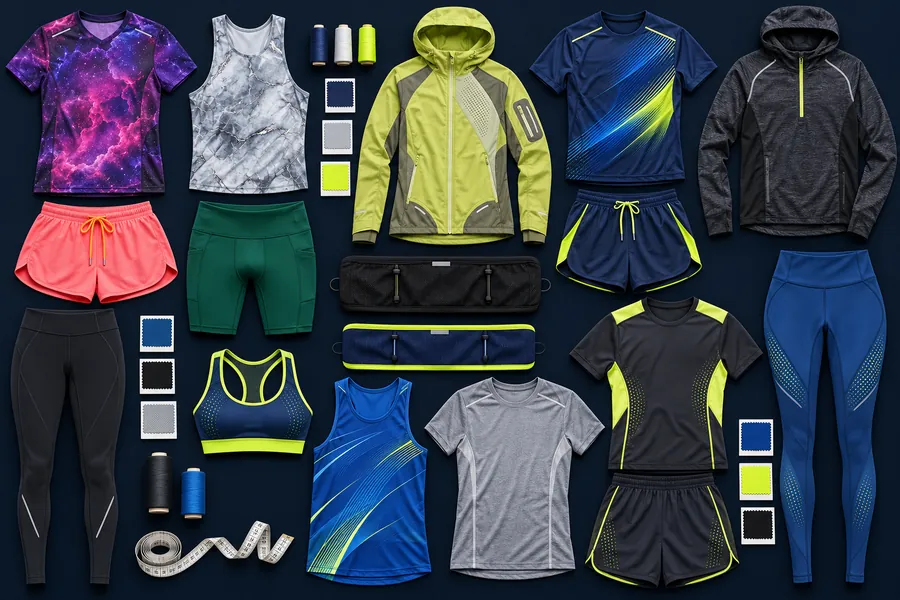
Wash running clothes inside out in cold or warm water up to 30 °C (86 °F) on a gentle cycle, skip fabric softener, and hang them to dry or tumble dry…
Read article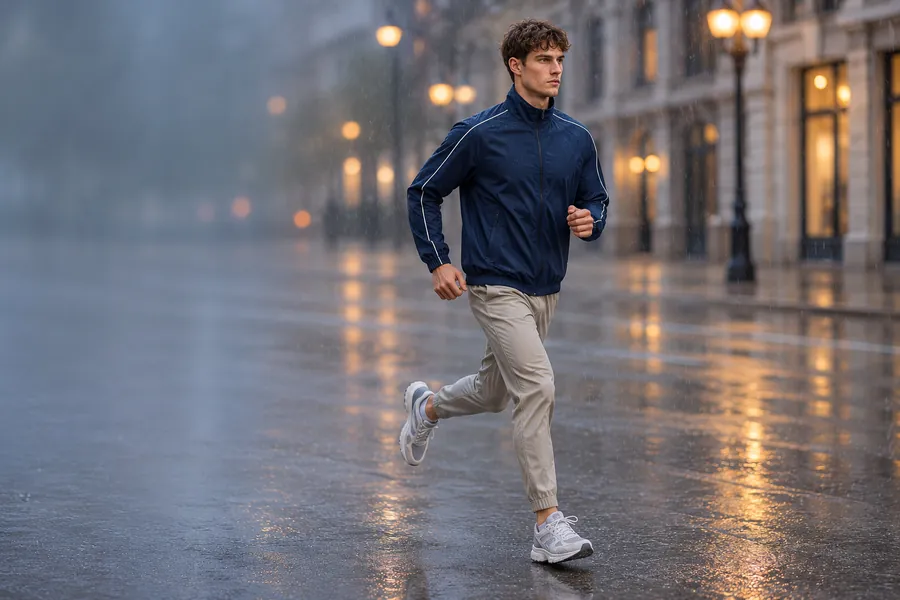
Dress for a run as if it were 15–20 °F (about 10 °C) warmer than the thermometer says, because your body heats up within the first mile. Above 60 °F…
Read articleFAQ
White or light polyester. Nylon and cotton do not take sublimation dye.
Yes. Recycled polyester options are available for tees, singlets, shorts and compression pieces; we confirm the exact fabric on the sample.
Yes. Send the reference garment and we source the closest match in weight, hand-feel and stretch.
Look for lightweight polyester knits around 100–140 GSM, mesh or laser-cut vent zones under the arms and on the back, and flatlock seams. Lighter, more open knits breathe better; heavier knits suit cool weather.
Request a quote
Send a tech pack, a sketch or just a reference photo and your logo. We reply with options, MOQ and pricing within one working day.
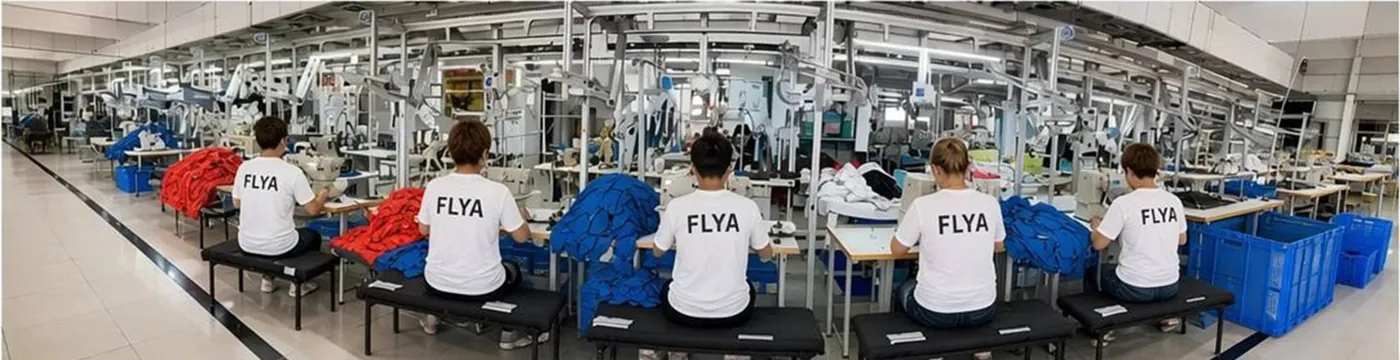
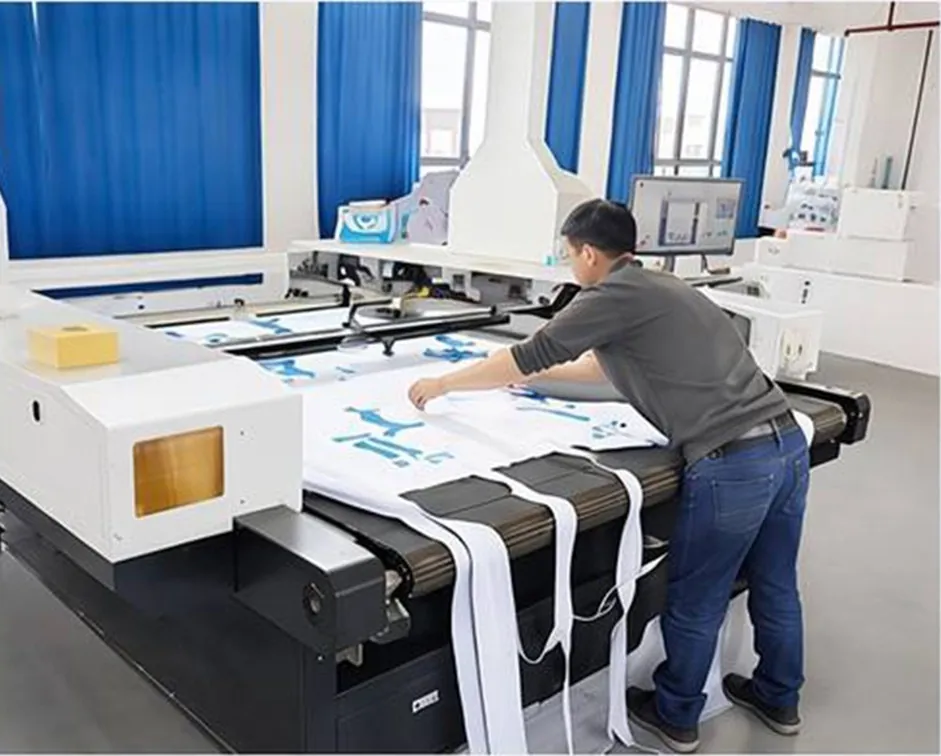
15 production lines · 99 machines · 6,000+ pcs daily output