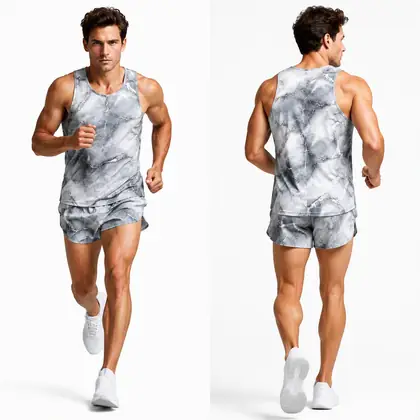
 Featured
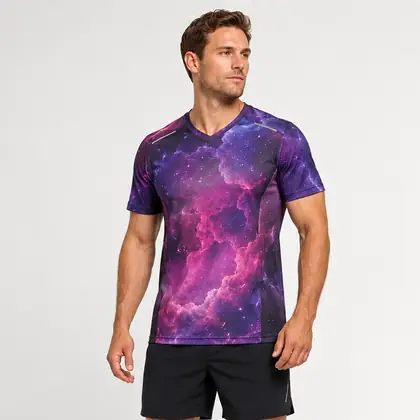
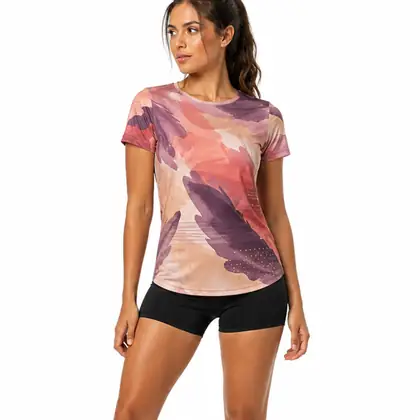
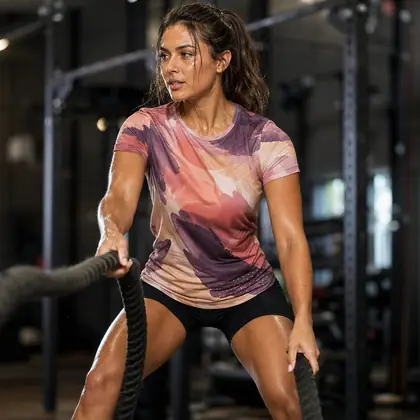
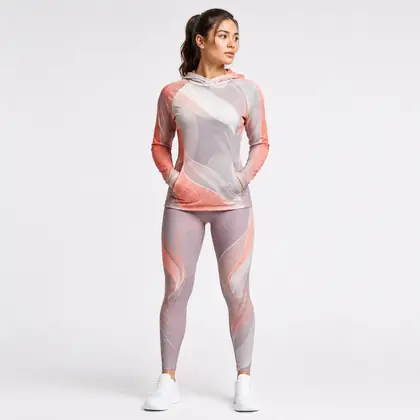
For running shirts sublimation is the default choice: the dye becomes part of the polyester fiber, so the print adds no weight, does not block sweat and cannot crack or peel. Screen printing suits simple one to three color logos, and heat transfer, which includes DTF film, suits small logos, names and numbers and works on dark or nylon fabrics that cannot be sublimated.
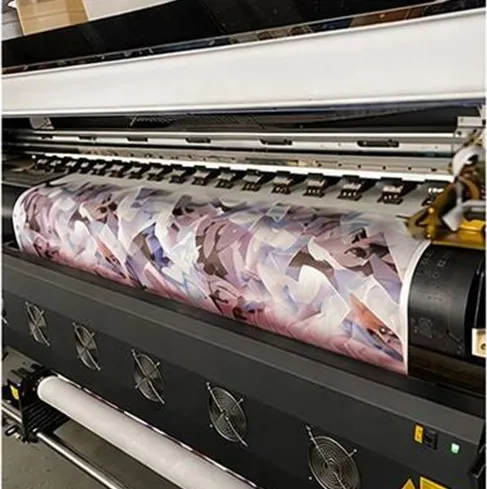
At a glance
| Method | How it works | Fabric | Feel on a running shirt | Best for |
|---|---|---|---|---|
| Sublimation | Heat turns the dye into gas, which bonds inside polyester fibers | White or light polyester; not cotton, not pre-dyed dark fabric | No feel at all; the fabric breathes as before | All-over designs, gradients, many colors, race and club shirts |
| Screen printing | Ink is pushed through a mesh screen, one screen per color | Most fabrics, including dark colors | A thin ink layer; large solid areas feel heavier and block sweat | One to three color logos and text |
| Heat transfer (including DTF) | The design is printed on a film and pressed onto the garment with heat | Polyester, nylon, blends and dark colors | A soft film on the surface; best kept small | Chest logos, names, numbers and short runs |
| Silicone print | Raised silicone ink is printed and cured | Stretch fabrics | Raised and flexible; stretches with the fabric | Premium logos and grip details |
| Embroidery | The logo is stitched with thread | Heavier fabrics such as hoodies, jackets and tracksuits | The heaviest option; can rub on thin mesh | Hoodies, tracksuits and jackets |
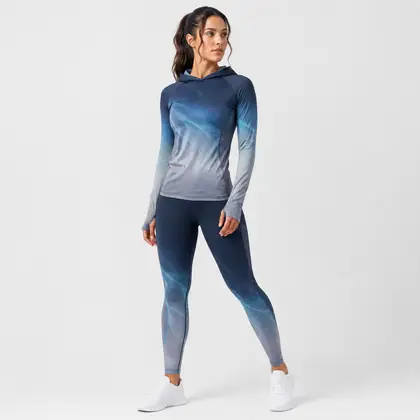
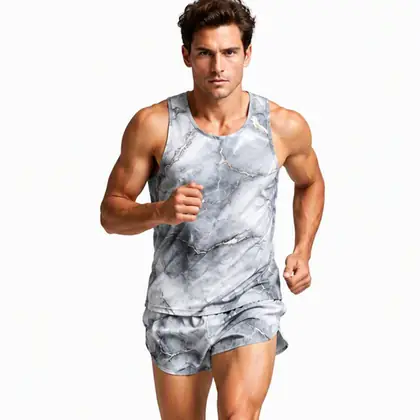
Sublimation prints the design on paper and transfers it into the fabric under heat. The dye bonds inside the polyester fiber instead of sitting on top of it, so a fully printed singlet weighs and breathes the same as a plain one, and the colors do not crack or peel in the wash. There is no screen to prepare for each color, so a design with ten sponsor logos is no harder to print than a design with one. The limits are the fabric and the base color: sublimation needs polyester, it is printed on white or light fabric, and it cannot print white ink.
Screen printing lays ink on the surface through a mesh screen, one screen per color. It works on dark fabrics and on blends where sublimation does not, and it gives strong, opaque color. On running apparel keep screen prints small: a large solid block of ink does not let sweat through, and runners feel it as a warm patch on the chest or back.
A heat transfer is printed on a carrier film and pressed onto the finished garment. DTF, short for direct-to-film, is one kind of heat transfer that handles full-color artwork. Transfers are the practical way to add a small logo to a dark or nylon garment, or individual names and numbers to a team order. Because the film sits on the surface, large transfers trap sweat and can crack when tumble dried hot, so we recommend them for small areas. If your artwork needs DTF specifically, say so in your inquiry and we confirm the method at the sampling stage.
Race shirts and club singlets with a full design or many sponsor logos: sublimation. A brand tee in a solid dyed color with a small chest logo: heat transfer or silicone print. Dark cotton-feel or nylon garments: screen print or heat transfer. Hoodies, tracksuits and jackets: embroidery or silicone print. Many orders combine two methods, for example a sublimated body with a heat-transfer size label inside the neck.
Sublimation has no set-up per color, so the price does not rise with the number of colors in the artwork. Screen printing needs one screen for each color, so simple artwork keeps the set-up low. Heat transfers are prepared per design and applied piece by piece, which suits short runs. We show the logo method on the sample before bulk, so you can check color, position and hand-feel first.
Keep reading
Wash running clothes inside out in cold or warm water up to 30 °C (86 °F) on a gentle cycle, skip fabric softener, and hang them to dry or tumble dry…
Read article
Most running apparel uses polyester or nylon, blended with spandex where stretch is needed. Polyester dries fast and takes sublimation; nylon feels…
Read article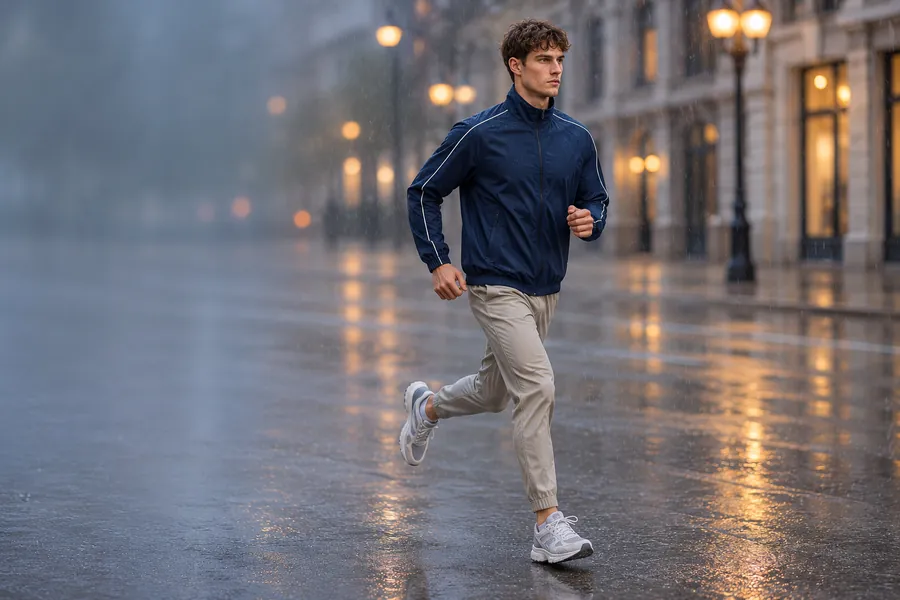
Dress for a run as if it were 15–20 °F (about 10 °C) warmer than the thermometer says, because your body heats up within the first mile. Above 60 °F…
Read articleFAQ
Sublimation for polyester running shirts with a full design or several colors, because it adds no weight and does not block sweat. Screen printing suits small one to three color logos, especially on dark fabric.
No. Sublimation dye bonds with polyester fibers, so it needs polyester or a high-polyester fabric. On cotton use screen printing or a heat transfer.
Sublimation, because the dye is inside the fiber and cannot crack or peel. A DTF transfer sits on the surface; it lasts well when washed cold, inside out, and not tumble dried on high heat.
Not onto fabric that is already dyed dark. A dark sublimated shirt is made by printing the whole panel, background color included, onto white polyester before sewing.
Vector files (AI, PDF or SVG) are best; high-resolution PNG works for most heat transfers. Send Pantone references if a color has to match exactly.
Request a quote
Send a tech pack, a sketch or just a reference photo and your logo. We reply with options, MOQ and pricing within one working day.
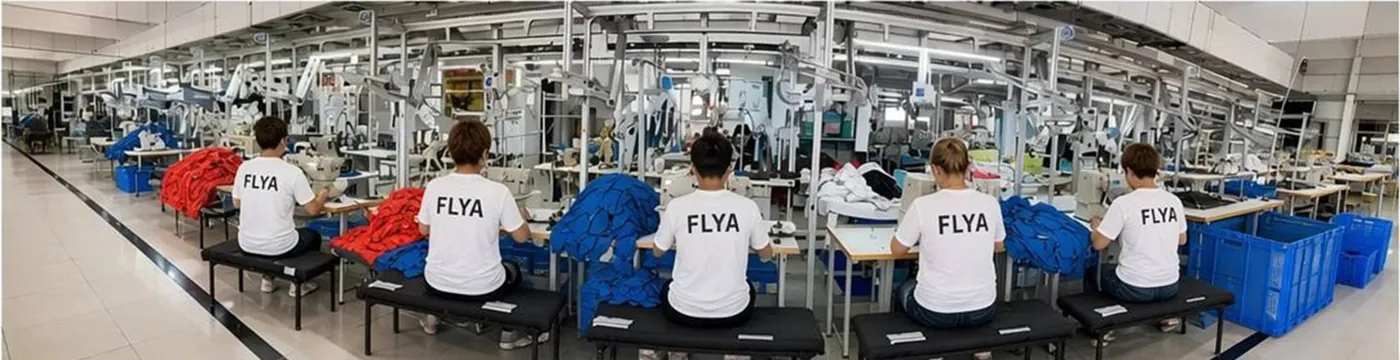
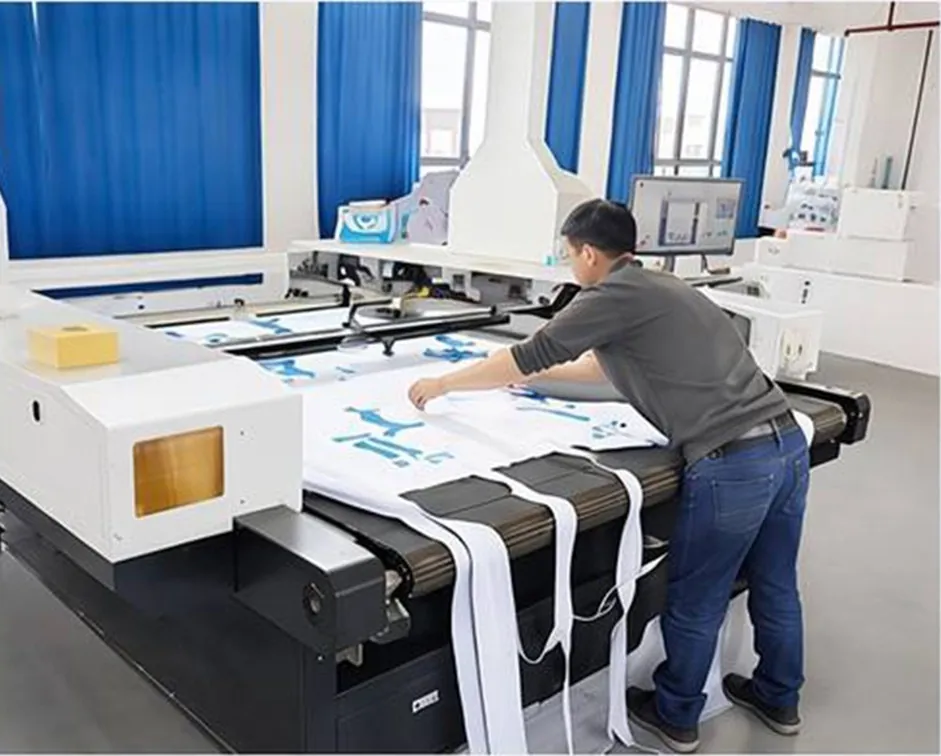
15 production lines · 99 machines · 6,000+ pcs daily output