 Featured
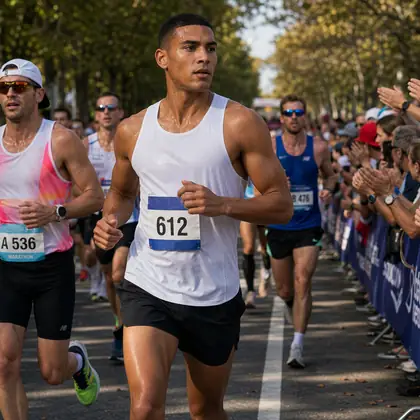
Dress for a run as if it were 15–20 °F (about 10 °C) warmer than the thermometer says, because your body heats up within the first mile. Above 60 °F a singlet or tee with shorts is enough; at 40–50 °F add a long sleeve top; below 40 °F switch to tights and a light jacket; below 30 °F wear a base layer, a jacket, tights, gloves and a hat.
At a glance
| Temperature | Top | Bottom | Extras |
|---|---|---|---|
| Above 70 °F (21 °C+) | Singlet or light mesh tee | Split shorts or 5" shorts | Cap; a UPF shirt for long hours in the sun |
| 60–70 °F (15–21 °C) | Short sleeve tee or singlet | Shorts or half tights | Nothing extra |
| 50–60 °F (10–15 °C) | Short sleeve tee; long sleeve if it is windy | Shorts or half tights | Thin gloves for the first mile, optional |
| 40–50 °F (4–10 °C) | Long sleeve top | Shorts, half tights or leggings | Thin gloves, headband |
| 30–40 °F (-1–4 °C) | Long sleeve base layer plus a light jacket or vest | Leggings or tights | Gloves, ear cover |
| Below 30 °F (below -1 °C) | Base layer, mid layer or hoodie, wind jacket | Thermal tights, or pants over tights | Hat, gloves, neck gaiter |
| Rain (any mild temperature) | Wicking tee plus a light water-resistant jacket | Shorts or half tights, which hold less water than pants | Cap with a brim |
The most common mistake is dressing for how it feels at the front door. Running produces a lot of heat, so after ten minutes you feel roughly 15–20 °F warmer than the air temperature. If you are slightly cold when you start, you are dressed correctly. Wind and rain pull the number down again, and an easy run generates less heat than a race, so go one band warmer for intervals and races and one band colder for slow recovery runs.
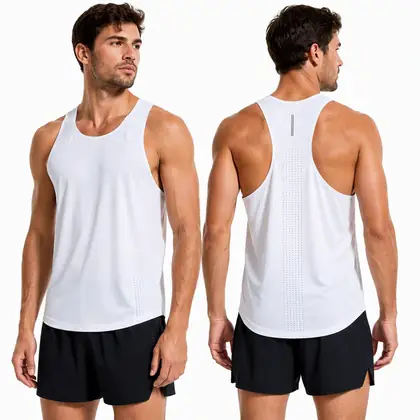
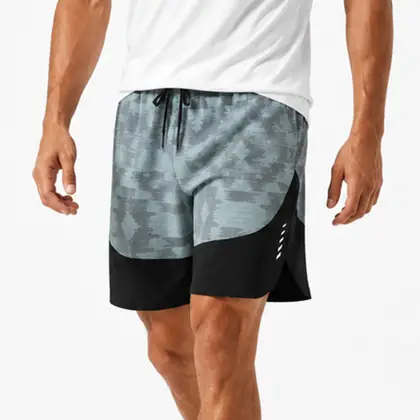
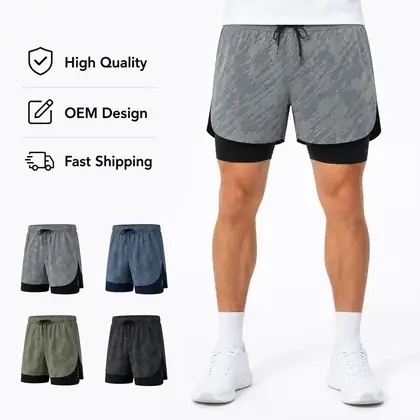
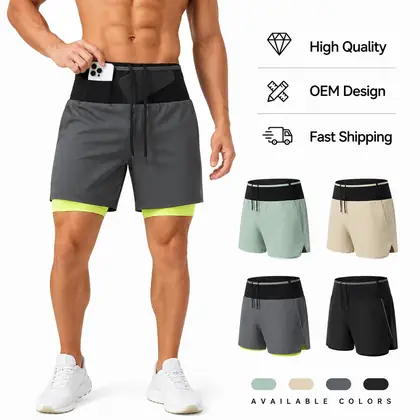
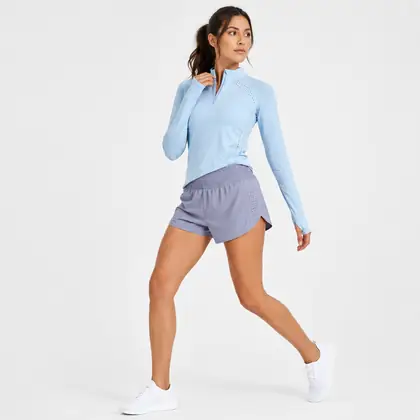
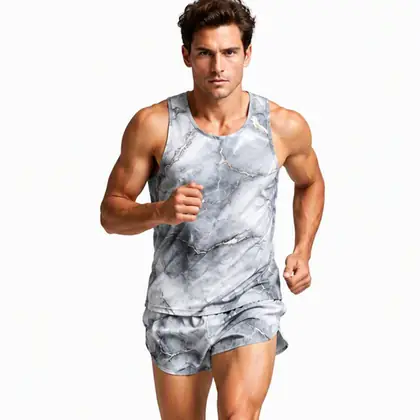
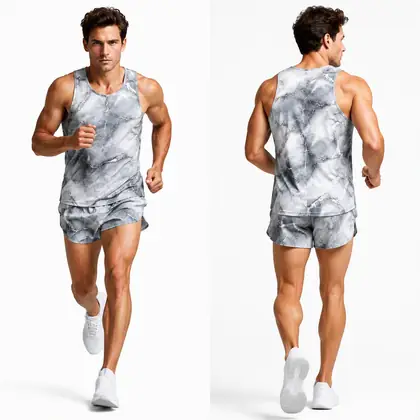
In warm weather the job of the clothing is to move sweat away and let air through. A singlet or a light mesh tee with split shorts or 5 inch shorts is the standard kit. Light colors reflect heat, and a UPF-rated long sleeve is cooler than bare skin for runners who spend hours in direct sun.
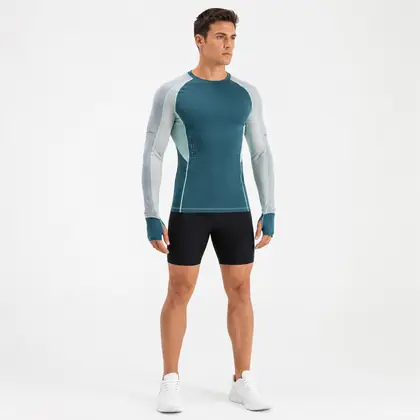
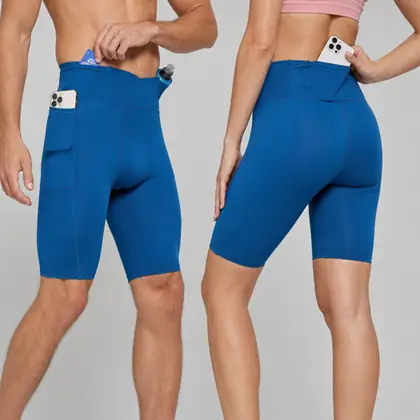
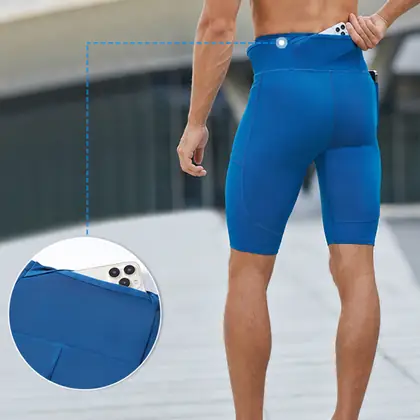
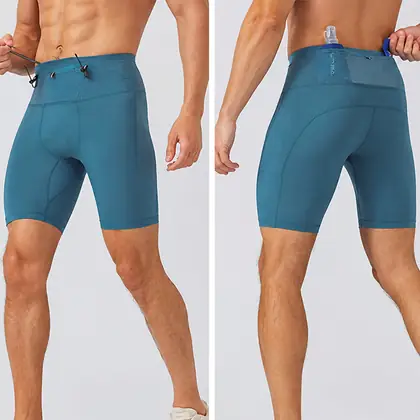
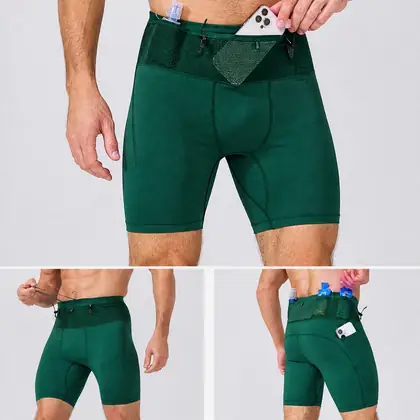
This is where most races are run and where runners disagree most. A short sleeve tee with shorts works for hard efforts; a thin long sleeve top with shorts or half tights is the safer choice for easy miles. Half tights are popular here because they keep the large leg muscles warm without the weight of full tights.
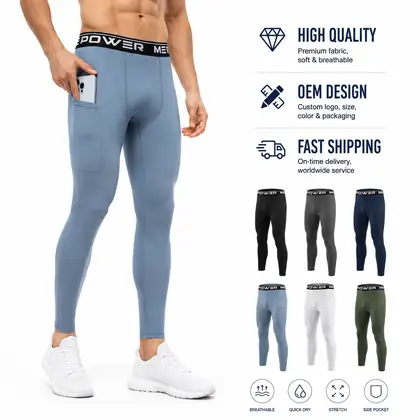
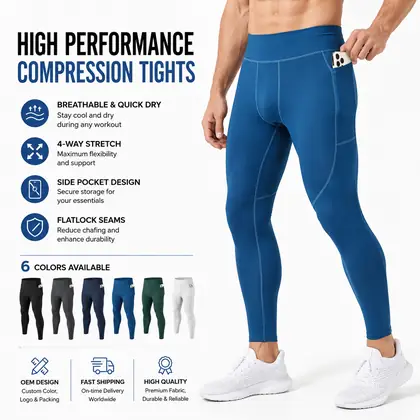
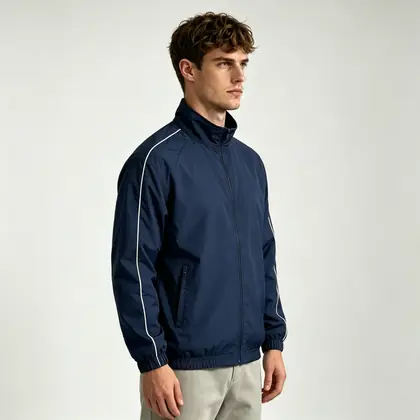
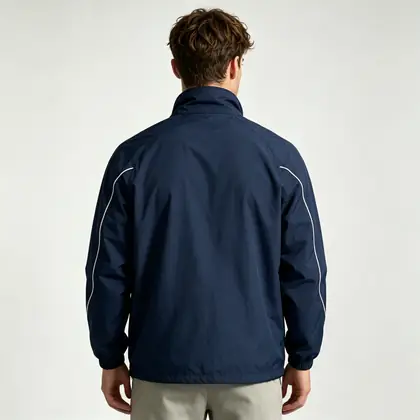
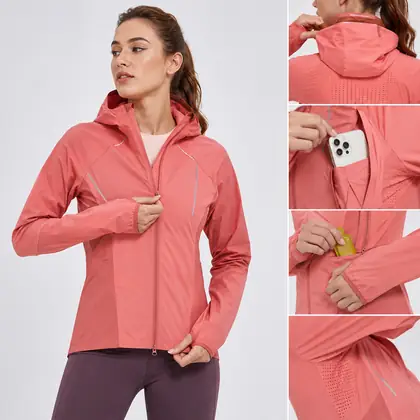
Below 40 °F cover the legs with leggings and build the top from layers: a wicking base layer next to the skin, then a light jacket or vest that blocks wind. Below freezing add a mid layer and protect hands, ears and neck first, since they lose heat fastest. Avoid cotton at any layer because it holds sweat and chills you as soon as you slow down.
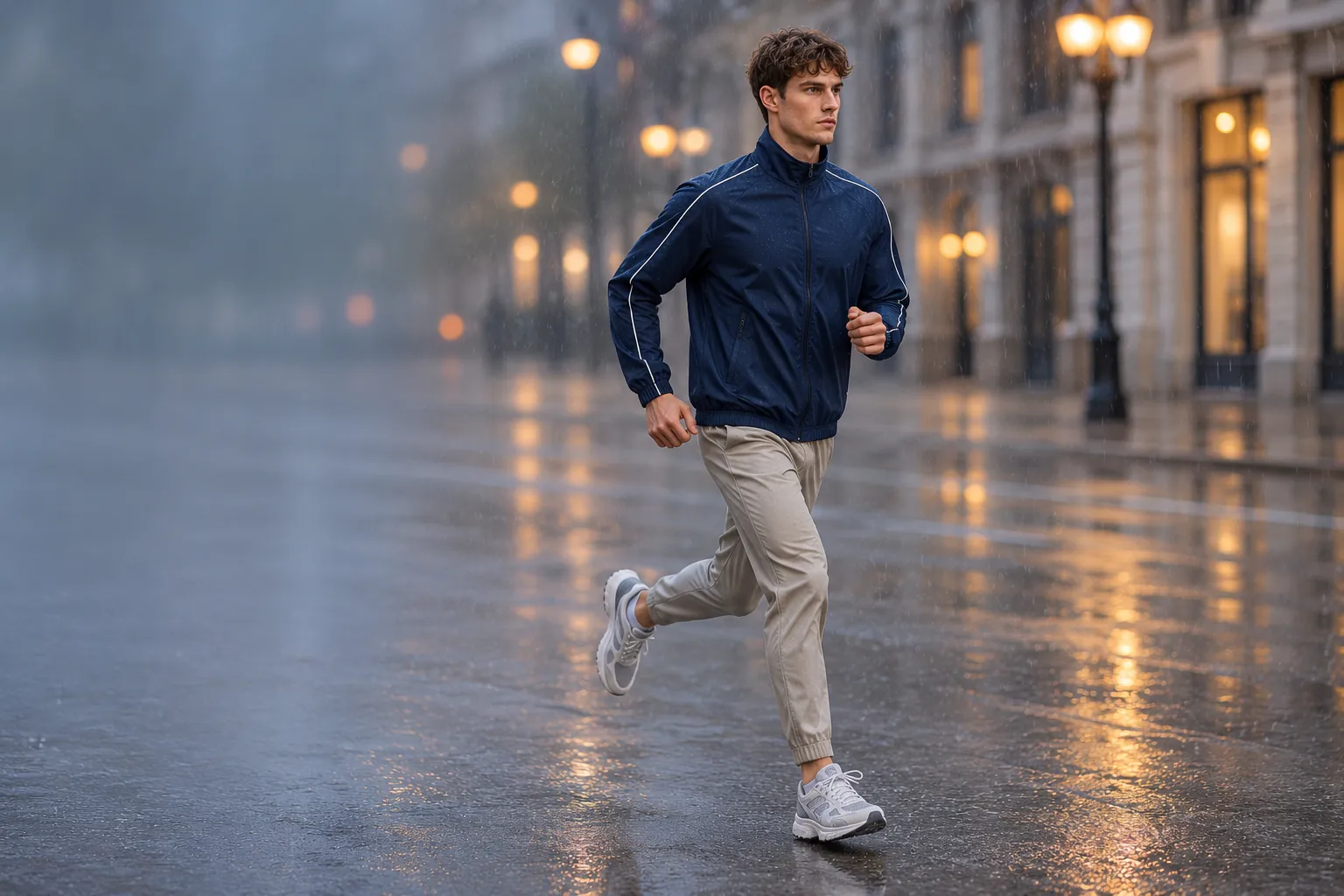
You will get wet either way, so the aim is to stay warm and avoid chafing. Wear fitted synthetic layers that do not hold water, a light water-resistant jacket when it is cool, and a brimmed cap to keep rain out of your eyes. Shorts or half tights are better than loose pants, which get heavy when soaked.
The chart is also a simple way to plan a product line. A warm-weather core is three styles: a singlet, a short sleeve tee and a 5 inch short. Adding a long sleeve top, leggings and a light jacket covers autumn and winter, and half tights bridge both seasons. A running club usually needs only two tops to cover most of the year: a race singlet and a long sleeve in the same design. Launch the warm-weather core first if your customers are in the southern United States, and the long sleeve and leggings first for northern markets.
Keep reading

Running shorts have liners so you can run without underwear: the liner gives support, wicks sweat and removes the extra seams and waistband that…
Read article
Running shorts come in four main types: split shorts (short 2–3 inch inseam with side splits and a brief liner, for racing), 2-in-1 shorts (a woven…
Read article
Split shorts are minimal racing shorts with a 2–3 inch inseam, side splits and a brief liner. 2-in-1 shorts put a woven shell over a compression…
Read articleFAQ
A long sleeve top with leggings or half tights, plus thin gloves and a headband. Add a light vest or jacket if it is windy or you are running easy.
A short sleeve tee with shorts for a hard run or race; a thin long sleeve top with shorts or half tights for easy miles.
A wicking base layer, a wind-blocking jacket, full-length tights, gloves and a hat or ear cover.
Fitted synthetic layers that do not hold water, a light water-resistant jacket when it is cool, shorts or half tights, and a cap with a brim.
Shorts above about 45 °F, tights below. Half tights sit in between and suit runners whose legs get cold or who chafe in loose shorts.
Request a quote
Send a tech pack, a sketch or just a reference photo and your logo. We reply with options, MOQ and pricing within one working day.
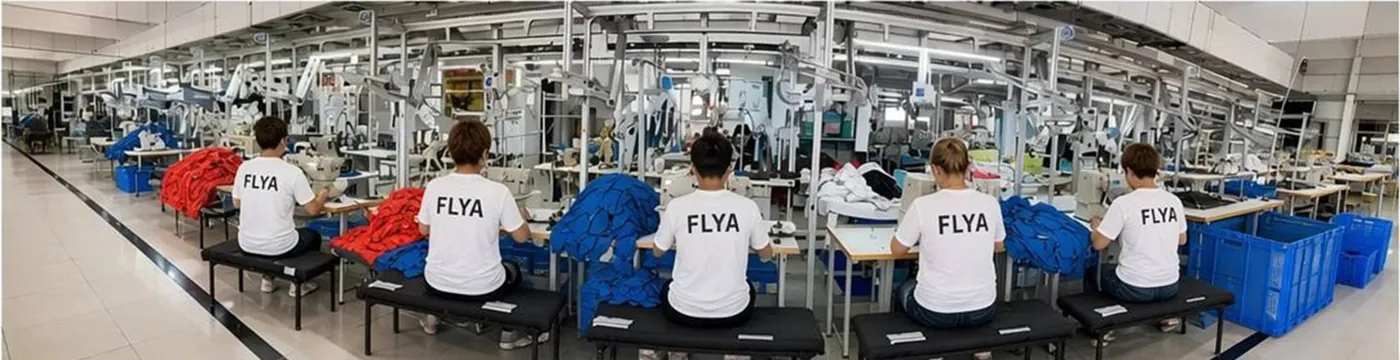
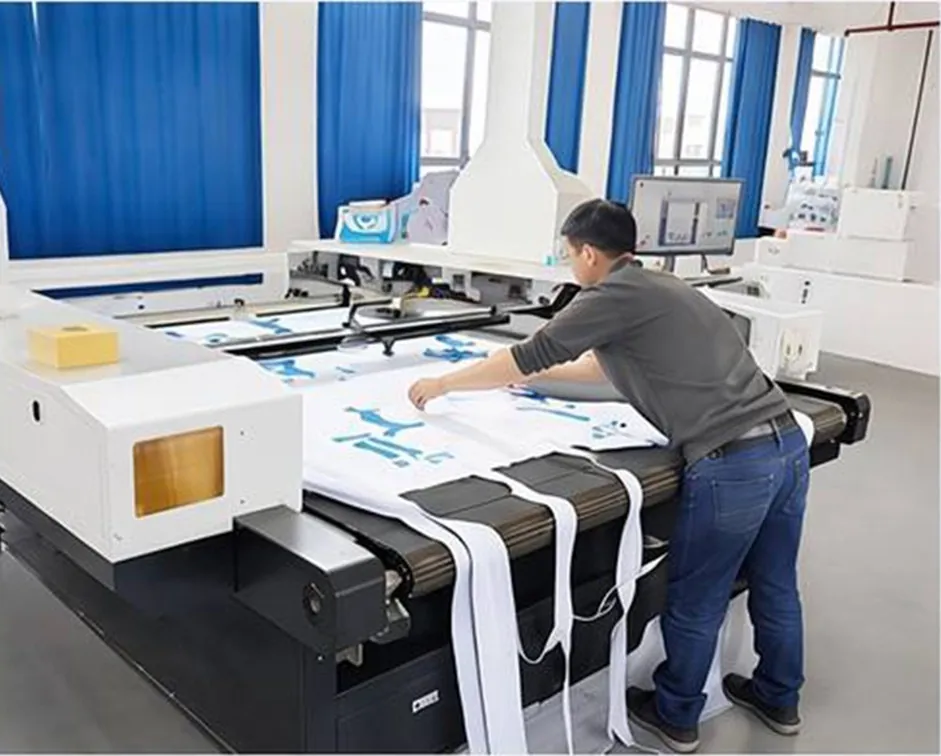
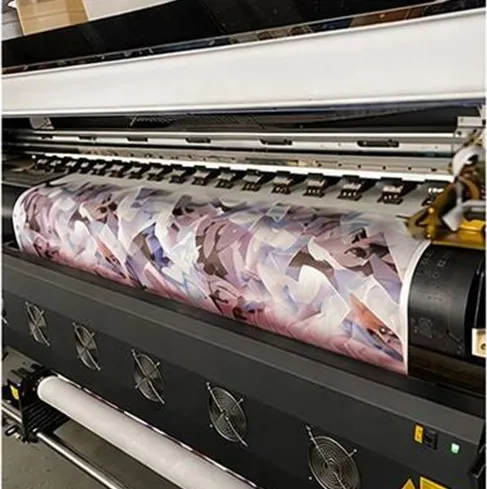
15 production lines · 99 machines · 6,000+ pcs daily output