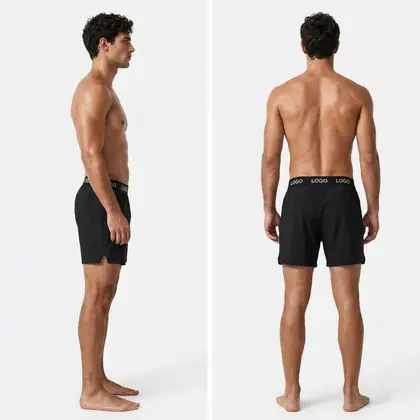
 Featured
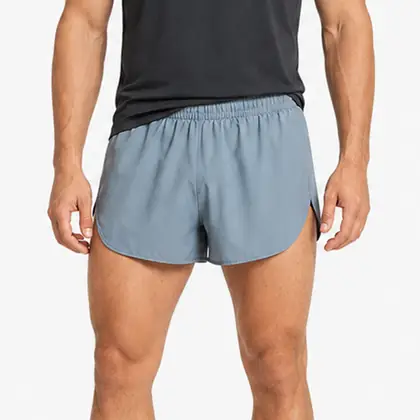
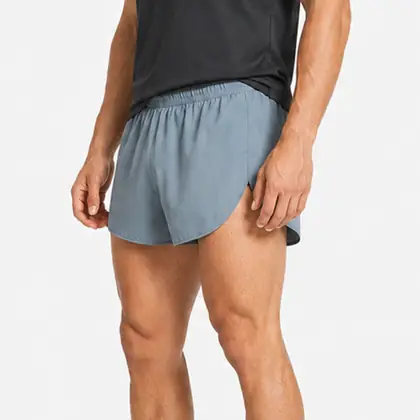
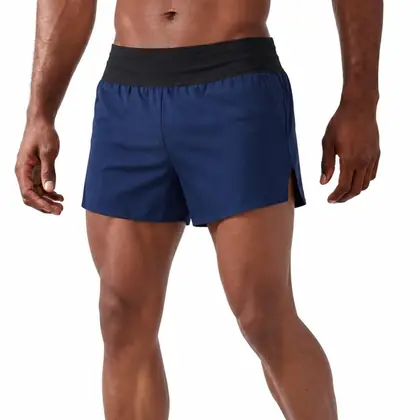
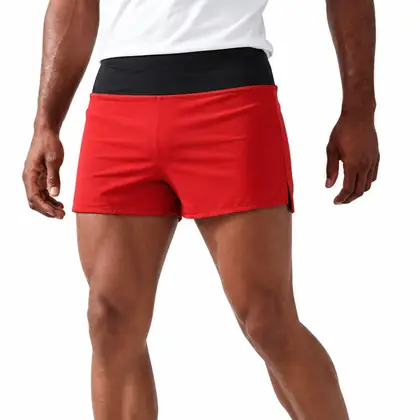
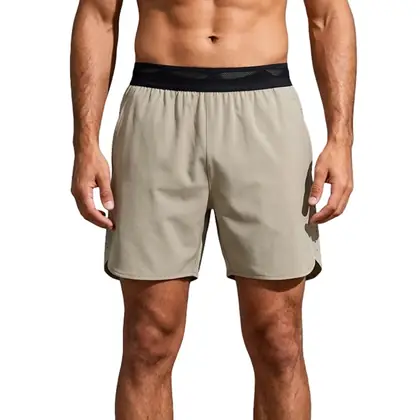
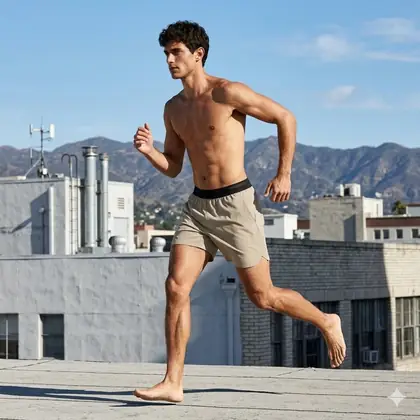
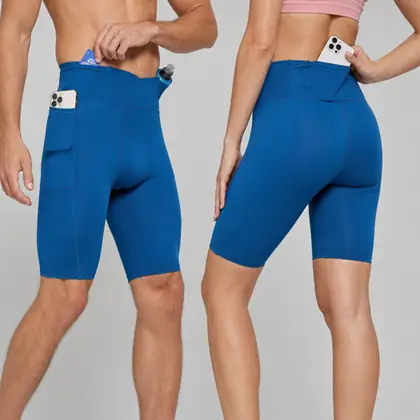
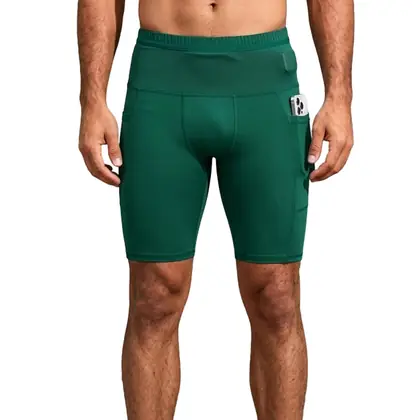
Running shorts come in four main types: split shorts (short 2–3 inch inseam with side splits and a brief liner, for racing), 2-in-1 shorts (a woven shell over a compression liner, usually 5 or 7 inch), marathon and training shorts (a looser 5–7 inch cut for everyday miles) and half tights (fitted compression shorts with pockets). The right type depends on who runs in them and how far.
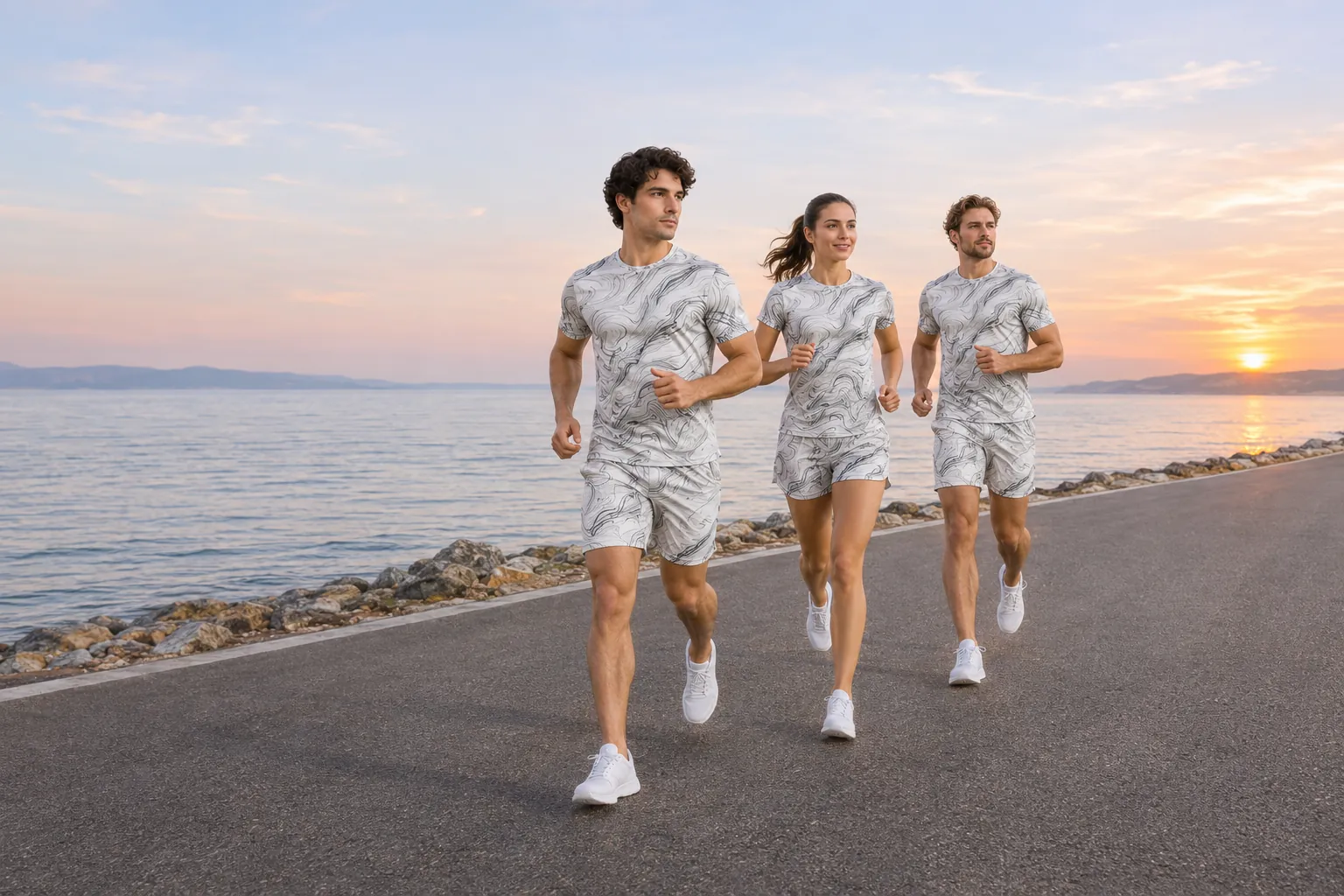
At a glance
| Type | Inseam | Liner | Best for |
|---|---|---|---|
| Split shorts | 2–3" | Brief liner | Racing, track, hot weather |
| 2-in-1 shorts | 5" / 7" | Compression liner, often with phone pocket | Long runs, brands' core range |
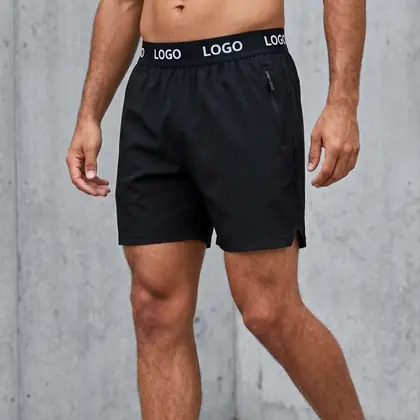
| Marathon / training shorts | 5–7" | Brief liner or none | Daily training, club kits |
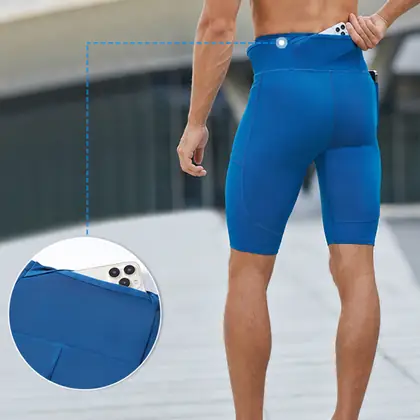
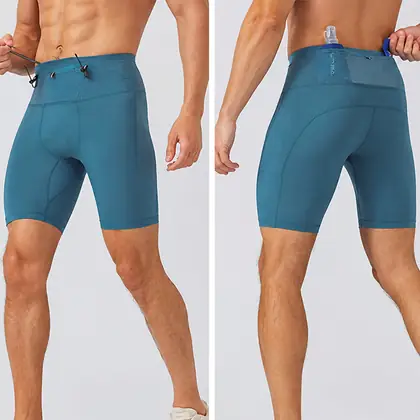
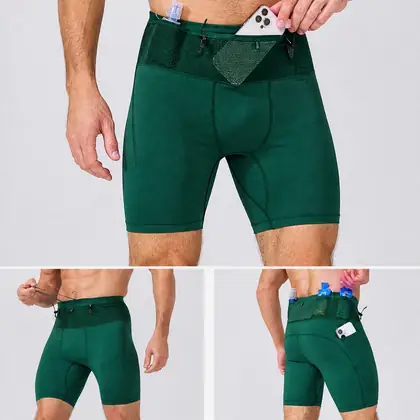
| Half tights | 5" / 7" / 9" | None (the short is the compression layer) | Marathon, anti-chafe, carrying gels |
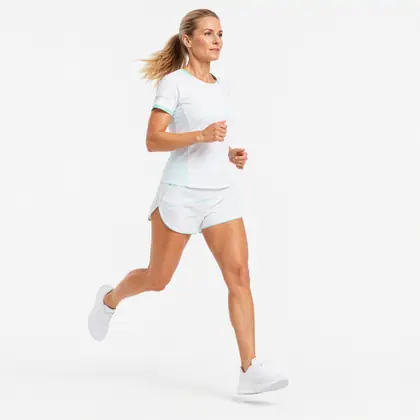
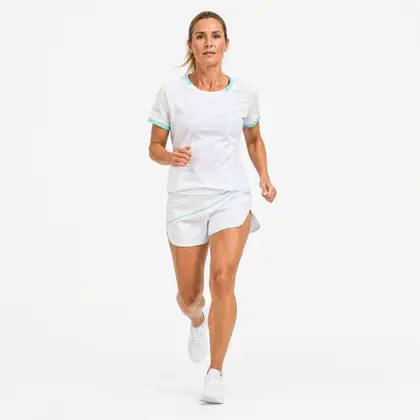
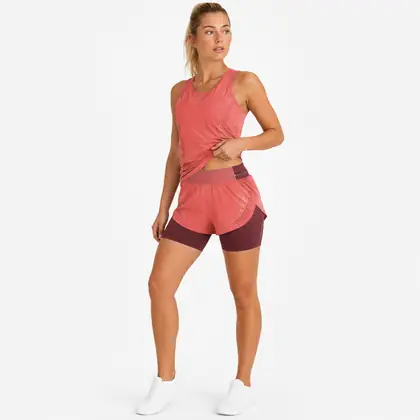
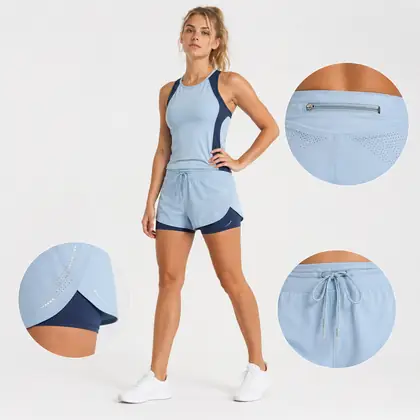
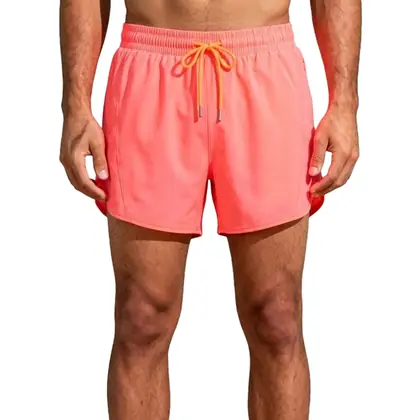
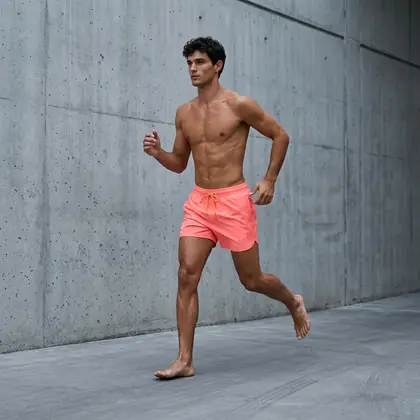
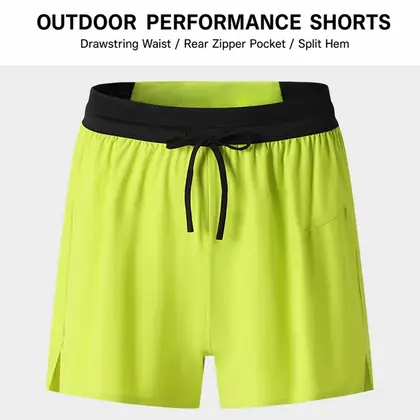
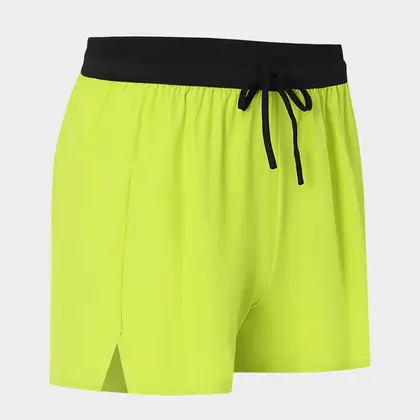
Split shorts have overlapping side panels that open at the hem, so the leg moves freely at race pace. They are the lightest option and usually carry a brief liner and a small key or gel pocket. Runners who race shorter distances or train in heat choose them; many casual runners find them too short.
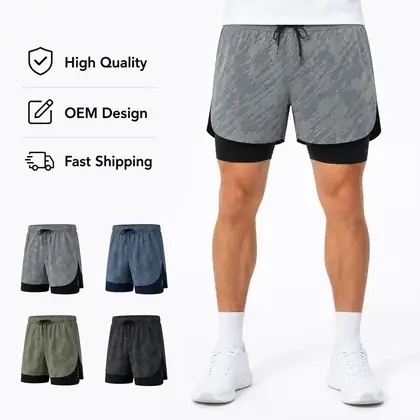
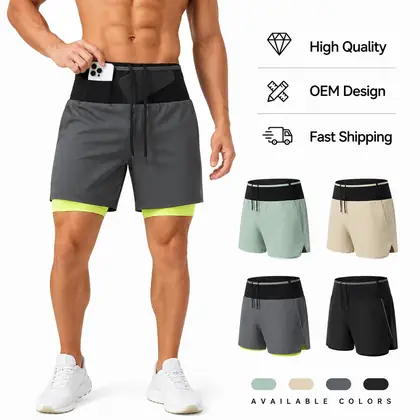
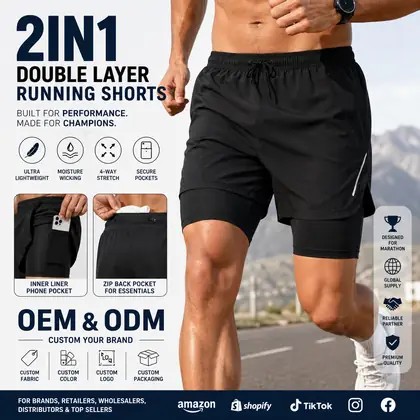
A 2-in-1 short combines a woven outer shell with a compression liner. The liner prevents chafing and usually holds a thigh phone pocket, which is why 2-in-1 shorts sell well in brand ranges. Common inseams are 5 and 7 inch; the liner length is normally a little longer than the shell.
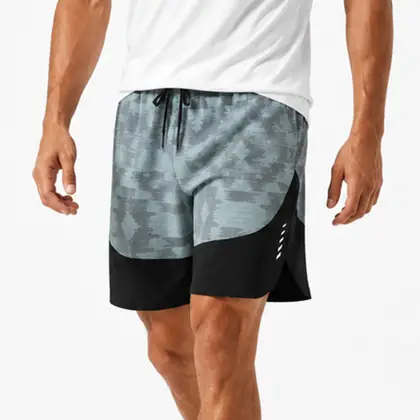
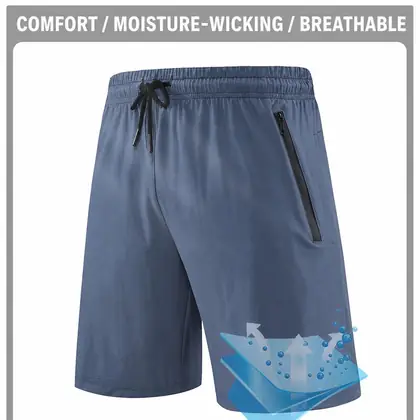
Marathon and basic training shorts have a looser cut and a 5–7 inch inseam. They suit everyday training, club kits and race-event merchandise because they fit a wide range of body types and take logos well.
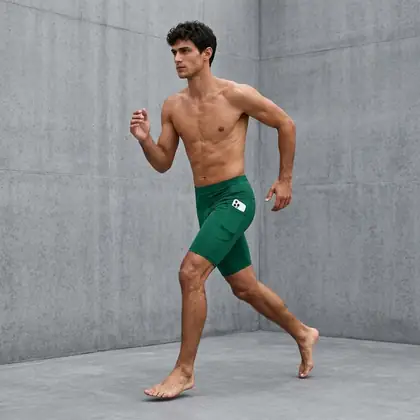
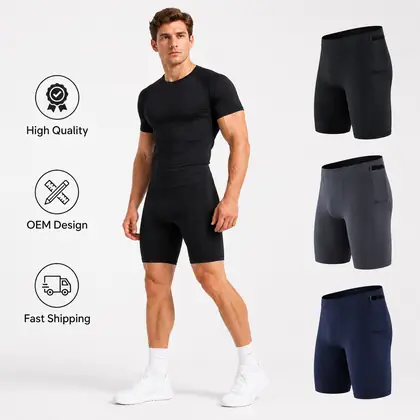
Half tights are fitted compression shorts, usually 5, 7 or 9 inch. They reduce muscle movement and chafing over long distances, and the waistband can carry several gels plus side phone pockets. Some runners wear a split short over them.
Clubs ordering one kit usually pick a marathon or 2-in-1 short because it fits most members. Running brands often launch with a 5-inch 2-in-1 and a split short, then add half tights. Choose the inseam by your customers: shorter for racers, 7 inch for broader appeal.
Keep reading

Dress for a run as if it were 15–20 °F (about 10 °C) warmer than the thermometer says, because your body heats up within the first mile. Above 60 °F…
Read article
Running shorts have liners so you can run without underwear: the liner gives support, wicks sweat and removes the extra seams and waistband that…
Read article
Split shorts are minimal racing shorts with a 2–3 inch inseam, side splits and a brief liner. 2-in-1 shorts put a woven shell over a compression…
Read articleFAQ
5 inch is the most versatile. Racers often prefer 2–3 inch split shorts; 7 inch suits runners who want more coverage.
Most do. A brief liner or compression liner replaces underwear and reduces chafing; half tights need no liner because they are the compression layer.
OEM/ODM running shorts start at 100 pieces per style with sizes mixed; stock styles can be branded from 50 pieces per color.
Short inseams and side splits let the leg move freely at speed and keep fabric off the skin in heat. Racing split shorts are 2–3 inch; 5 and 7 inch shorts give more coverage for everyday running.
Yes, over long distances. A good running short has a liner or compression layer to prevent chafing, a waistband that does not slip, quick-dry fabric and pockets for gels or a phone.
Request a quote
Send a tech pack, a sketch or just a reference photo and your logo. We reply with options, MOQ and pricing within one working day.
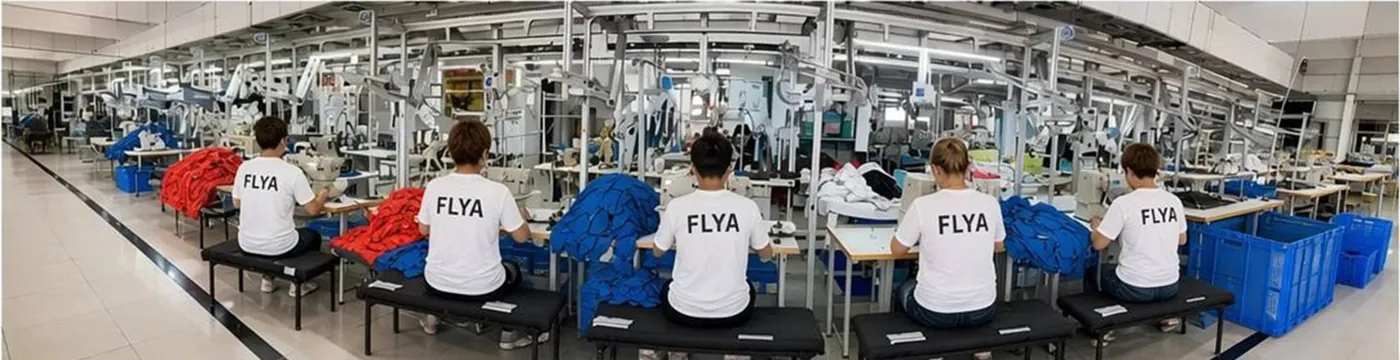
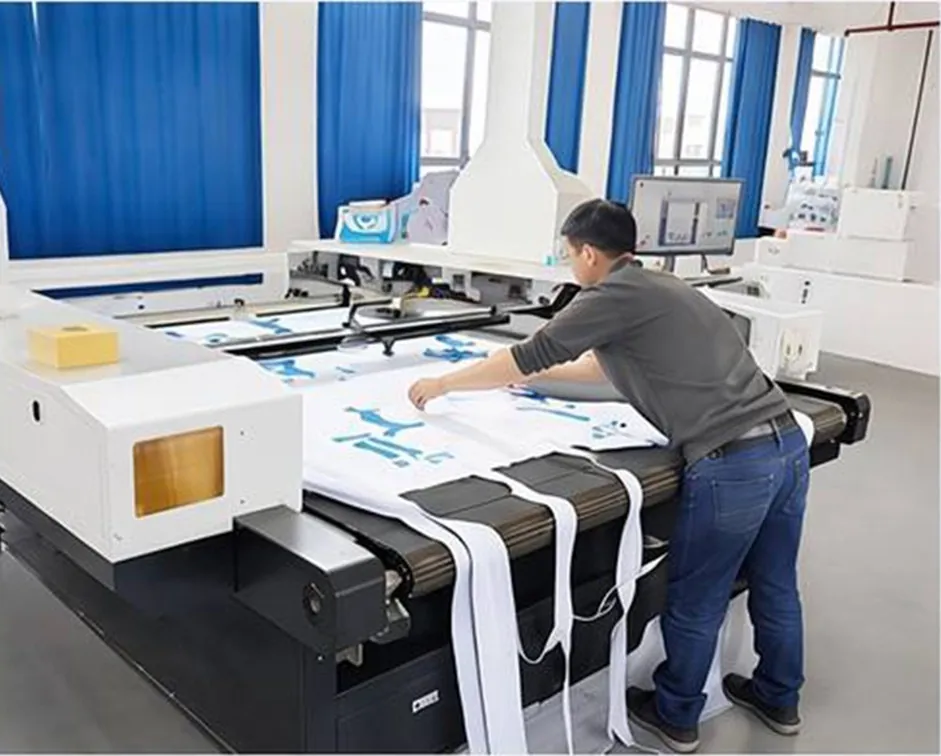
15 production lines · 99 machines · 6,000+ pcs daily output